
The cherry tree belongs to the same family (Rosaceae) as almonds, medlars, peaches, plum trees and apricots. There are many varieties growing across the world, ranging from Europe to North America and Asia.
Latest Fruit Finds...
Browse and compare fruit deals from top retailers without leaving our site!
EXCLUSIVE OFFER - SAVE 12% OFF ALL ORDERS AT YOUGARDEN!
ENTER CODE - FE12EXCL
Jump To...
Cherry Tree Growing Seasons
Cherry trees are one of the most impressive fruit trees in terms of their spring display of beautiful colours. They make a lovely addition to the UK garden and are a popular choice among the fruit gardening community. They are fairly hardy which is a great bonus with the erratic UK weather.
Cherry trees can grow as high as 10 metres if you grow one from standard rootstock. The trees can reach full maturity anywhere between 10 and 20 years after being planted.
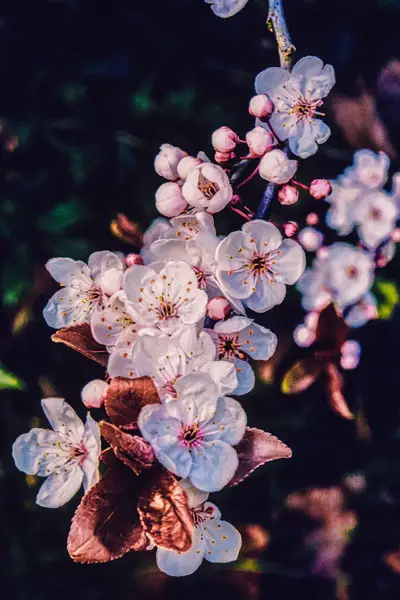
Blossom & Fruit: You will see the wonderful white and pink blossom emerge on your cherry tree early in the Spring.
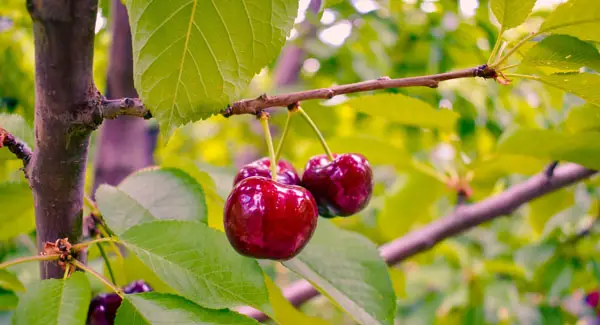
The flowers will be closely followed by the leaves, and the succulent ruby red fruit will appear soon after in July during the tree’s brief fruiting season.
Depending on the planting process (pot, fan-trained etc) your cherry tree will fruit from the 2-4 years mark. You’ll get a full cherry crop roughly 2 years later.
Planting that cherry tree provides you with a visual delight of precious pinks, while you dream about tasty fresh cherries.
How To Grow Cherry Trees
Although a tough tree, generally speaking, cherry trees need love and care throughout the year to make sure they grow to their full potential. These beautiful fruit trees prefer growing in a well-drained, light soil, such as a sandy loam. The fruit will need to be protected from birds in the summer, either by netting around the individual fruit clusters or using a bird scaring device, such as a scarecrow.
Cherries are prone to a range of ailments, including damage from rain and hail. They are also prone to attack from aphids, so if you grow them in your garden it’s a good idea to encourage ladybirds and lacewings to visit your garden, which will keep the aphid population in check. You can encourage them by planting a few wild flowers at the base of your tree, and avoid using pesticides, which can kill them.
When To Plant Cherry Trees
You can plant your cherry tree anytime between November and March and this goes for specimens grown as a tree, fan-trained against a wall or fence, or a potted variety.
Where To Plant Cherry Trees
Your cherry tree can be fan-trained if you prefer, along a trellis or wall. They prefer well-drained soil that is deep – nothing shallow. They don’t necessarily need full sun and will tolerate some hours of shade. This means they can be fan-trained in a north-facing direction which can be handy. A container or tree which is fan-trained will suit many smaller gardens, bearing in mind they can grow very high as an open tree.
How To Prune Cherry Trees
Pruning promotes good health of your tree and should be done during the suitable months of the year. It’s important to stick to the appropriate times of the year otherwise you risk doing more damage than good.
If your cherry tree is fan-trained then pruning is required to help retain its shape and to stop it from becoming overcrowded and wild. A new tree should be pruned during the summer to encourage good shape and fruit growth. For an established tree, pruning should be carried out and finished by late August.
Pruning an established tree encourages new young wood to grow which in turn will provide a healthy fruit crop. You can remove any damaged branches or ones that are causing an area to become overcrowded. In June, shoots can be tied to the framework and you can cut back leaves to around 6 per shoot. Once harvesting has occurred you can cut the leaves back further, to encourage more fruit for the following season.
When To Harvest Cherries
You will be able to pick your cherries in July, sometimes a little earlier, sometimes a little later. This largely comes down to the climate. You’ll know when the fruit is ready because they will be soft and a deep red in colour. Hold it from the stalk when ready to pick to avoid that pesky bruising.
Edible Cherry Tree Types
There are two types of edible cherry tree: sweet and sour. You can also buy ornamental cherry trees solely for their beautiful spring blossom.
Sweet cherries are best for eating straight from the tree, although they can also be cooked for use in jams and desserts. Sour cherry tree fruit is best eaten when used in cooking and jam making. If you want to grow cherries in your garden, however, you’ll only be able to grow either a sweet or a sour variety. The two varieties don’t cross-pollinate so you’ll need to have two of the same type. The Morello variety of sweet cheery is self-fertile, so you’ll only need to have one of them in your garden.
If you are interested in purchasing edible cherry trees, the below section contains links to our online fruit shopping resource. You can compare products and prices from leading UK garden merchants.
Sweet Cherry Trees
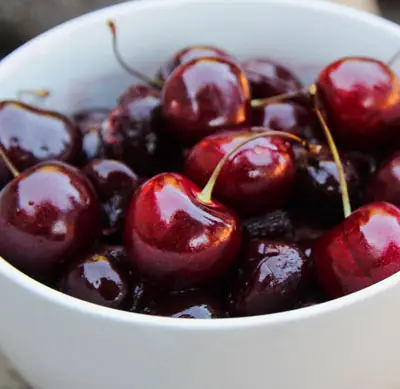
Sweet cherries originated in Western Asia and Europe and are the most popular of the cherry trees to grow in gardens.
Much of this is due to the fact that sweet cherry varieties can be eaten fresh straight from the tree. Sweet cherries taste great in pies, as a jam, in salsa, in cocktails, or of course, on their own.
Varieties include: Sasha, Lapin, and Stella.
Sour Cherry Trees
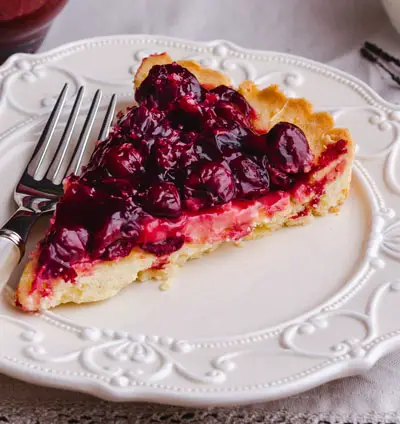
Native to Asia and Europe, sour cherries make stunning garden trees but can also be found widely across much of the UK in hedges and green spaces. They can be readily foraged from the wild.
The fruits are round and can be very deep red in appearance, almost black-like. Sour cherries were historically used for medicinal purposes. Sour cherry tree fruit is cooked due to its sharp taste – you can eat it in tarts, jam, cakes, sorbets, and sauces.
Varieties include: Nabella, May Duke, and Morello.
Many sour varieties of cherry can be bought on a dwarf rootstock (reaching a height of just 2m) and trained along a trellis in a fan shape. They are also very hardy so will tolerate a north-facing wall. Handy if you have nothing else to grow on it.
Cherry Blossom Trees
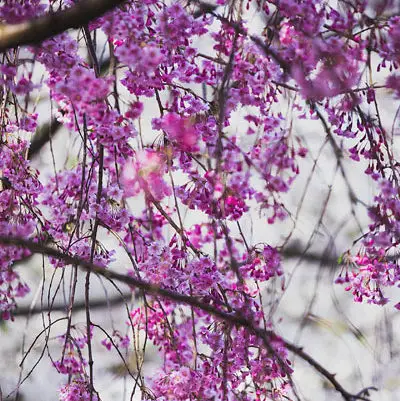
Largely considered an ornamental tree, cherry blossom is the national flower of Japan.
These types of trees will produce fruit that you can eat but they can be very sharp-tasting and often very small. The fruit can’t generally be eaten without cooking.
They do, however, make a wonderful feature in your garden with their wonderful array of blossom and flowers.
Varieties include: Kanzan, Snow Goose, and Royal Burgundy.
Eating Cherries – Are All Cherries Edible?
All cherries can be eaten, however some will not be pleasant if consumed without being cooked. It’s also important to always remove the pips of cherries before cooking, as some varieties will have higher levels of arsenic in them than others. If you accidentally swallow a cherry pit whilst eating, this is unlikely to cause you issues. The harmful element is encapsulated inside and will not be released into your body if swallowed whole.
If you have recently inherited a cherry tree in a new property, you might be asking yourself “can I eat the cherries on my tree?” The answer is yes – you just need to work out if your cherry tree is a sweet or sour variety to see if they can be eaten fresh or need to be cooked.
Our guide on cherry fruit gives an overview on eating this versatile fruit, alongside nutrition info and calorie
Are The Cherries From Blossom Trees Edible?
All cherries are edible, even cherries from blossom trees. Many people think they are poisonous and therefore should not be eaten. Ornamental cherries should most definitely be cooked before eating, and the pits should be removed. If you have a blossom tree, you might be able to harvest the fruit for pies, jams, and baking.
Are Wild Cherries Edible?
Sour cherries are commonly found in hedgerows, and can be eaten safely. You will generally have to cook wild cherries to make them palatable, but there’s nothing better than free fruit from hedgerows. The only thing you need to be mindful of when foraging wild cherries to eat is to ensure you’ve correctly identified the fruit as cherries. There are many identification guides for foragers, so do consult one before heading off in search of hedgerow treasures!
Cherry Tree FAQ’s
When it comes to cherry trees, we have put together concise FAQs for your ease of reference. Never be confused about cherry trees again!
How Big Will A Cherry Blossom Tree Grow?
Of course, this answer largely depends on how you have planted your tree in the first place. At their biggest, they can reach the great heights of 10 metres, perhaps more in the right environment. Ones planted on dwarf rootstock can grow up to around 2 metres – perfect for those more modest gardens.
How Fast Will Cherry Trees Grow?
Cherry trees do not grow particularly quickly and you can expect anywhere up to 20 years before it reaches full maturity. Smaller ones will mature quicker than this.
How Do You Pollinate Cherry Trees & Do You Need Two To Produce Fruit?
Sour cherry trees are self-pollinating but will still benefit from another cultivator nearby (of the same variety). Some sweet cherry varieties will also self-pollinate, in particular, the more modern varieties. Due to early blossom, your tree will benefit from hand pollination when possible which involves transferring pollen from flower to flower.
How to Grow Cherries From a Pit?
You can indeed grow a cherry tree from a pit but it’s not without its problems. For the best chance of success, use the pit from a local cherry tree or from a local market. Basically, avoid supermarket cherries because this may come from a hugely different climate.
Scrub your pits to get rid of any leftover fruit and leave to dry for a few days. Once dry, pop in a container in the fridge for up to 10 weeks. When they have been taken out of the fridge and come back to room temperature they can be planted inside in containers. After all cold weather has passed, you can then plant outdoors.
Do Cherry Blossom Trees Grow Cherries?
Cherry blossom trees do grow cherries – although they aren’t the tastiest of the cherry varieties and are also small in size. The only ones to be cautious of are wild cherries as some of these shouldn’t be eaten raw.
What Do Cherry Trees Look Like?
The trunk of the cherry is often a reddish-brown, and the leaves appear after the blossom, proving a spectacular spring display. Cherry blossoms are pretty and pink, and some varieties of the tree such as ‘Kanzan’ are just grown for their ornamental display. Many of these ornamental cherries have no reproductive function at all. Instead of stamens and pistils they have extra petals. These are known as double flowers and are incredibly decorative.
Health Benefits of Cherries
Cherries have been shown to have a range of fruit health benefits, including boosting the immune system, preventing heart disease, improving blood circulation, and helping with the treatment of certain rheumatic illnesses, such as gout.
Cherry trees are extremely versatile. They can be grown as ornamental trees with spectacular blossoms, sour fruit trees that can be trained along a trellis, or large sweet fruiting varieties that produce delicious cherries that you can eat straight from the tree. Whatever your reasons for growing these beautiful trees, they will bring years of pleasure – in both their ornamental blossom, and the delicious fruit they produce.

I have a cherry tree that is full of cherries now, and we only mid January, are they ok to eat as it seems early for fruit
Hello, I bought two months ago a small duo cherry tree stella&Moreno and I saw when there are small leaves, after a while are dead. Why? Thank you
Are any cherries poisonous? We have several cherry trees which have never produced significant fruit but this year enough to harvest. They are smallish and red. I was brave (or foolish!) enough to break one open and put the flesh to my tongue, it tasted like a sweetish sour cherry.Thanks.
I just bought some property and I found this tree shrouded in overgrown trees when cutting them down I discovered the tree flowering with pink flowers. It’s a tree only 15ft. Tall and skinny. I let it be but going back I described what appeared to be cherries growing. The color is yellow to orange then deep pink. No pits that I can find but the juice is sticky and only tasting the juice it’s sweet. I’m not sure if it’s a cherry tree but it looks like one in regards to the fruit. The fruit is small but that could be from being shrouded by bigger trees. Now to the question. How can I be sure it’s an edible cherry?
My fruit bearing cherry tree has not flowered this year I think it is dead but the ends did show start of blossom a few weeks ago. It is very old should I take down or do they ever miss a year? I have removed some bark as suggested and it is not green Thanks
We have a young patio cherry velvet tree. we replanted it from a container into the garden in February. It’s not produced any leaves but did bud and now the buds are dried up and brown. Do you have any idea what’s happend. We were given the tree last year. It had leaves but didn’t fruit then. grateful for any advice please.. thanks
I have a cherry tree that has always produced lovely cherries. Its a big tree and this year it seems to have some kind of disease. The leaves are spotted and then going brown and falling off. Help! What should I do?
Hi I have 2 Stella cherry trees on a dwarf root stock which I planted in February 2019 they have plenty of healthy green leaves on an what appears to be tiny little cherries forming this is now 22nd of April 2019. but I haven’t had a single flower or blossom any help appreciated.
I have a cherry tree in my garden called MARILO. Is it edible, if so is it sweet or sour
My wife purchased a cherry tree called MARILO and never recorded what type it was before she passed away. Could you tell me if it is edible and if so is it sweet or sour
Hi, Years ago we planted a Flagpole Cherry tree, this tree never bore fruit, and last year I had bought Fruit trees, I went into my Garden after my tree had blossomed only to find that now my Flagpole cherry tree is bearing fruit? I am stunned does this usually occur?
@Jax53 – maybe it had never previously been pollinated and the new trees have solved that issue. Great that you have new life in it.
I have a flowering cherry tree which is well established and always used to give a full treeful of blossom.The tree divides into two trunks and in the last 2-3 years only one trunk section produces blossom,although both give plenty of leaves.The non blossoming trunk does not appear to be diseased and it grows quite strongly.Do you have any idea what could be causing this effect. Thanking you, Roy Dennard
I have two cherry trees, not sure of the type. They were bought at different stores a year or two apart. They are about 4 or 5 years old. The leaves start out green then turn purple. Last year there was fruit but they were very small and tasted bitter. I would like to find out more about these trees before my husband cuts them down, he believes they might be just ornamental. I believe they are fruited and that is what the label said. HELP!
Our neighbour has a huge cherry tree which has fruited brilliantly at least for the twenty years we have lived here in South East. Birds strip it every year of the dark red fruit and drop the pips in my garden. I now have a small, fruiting version of the big tree. For the first time the big tree has not fruited. But mine has, with tiny fruits for the fourth or fifth year. Could the fact that two large birch trees were removed last year which grew close to the big cherry, have affected the cherry’s fruiting? It is such a shame as it was a fantastic fruiter. Will it recover?
@Apes The common life expectancy of a flowering cherry tree is 15 to 20 years, so this may be the reason.
We’ve just harvested our cherry tree – what do we need to do to the tree now please?
@None – you don’t have to do anything – just leave it.
I have for the last 2 years a cherry tree… we had a dog eat all the branches down to nothing… it grew back to 8 feet tall but it has only leaves growing and it doesn’t branch out… Will this ever bare fruit and how can I trim it to help it branch out
hi I have a 17 year old cherry tree and we have had huge crops of cherry in past years. it’s been 2 years in a row where the amount of cherries has been very low. normally at this time of year the branches would be full of green cherries. do you have any advice for future years. we aren’t doing anything actively different
Last year my tree had a lot of sap on the trunk (clear jelly) and very few leaves in the summer. This spring it has had wonderful blossom and sap on trunk all gone so I thought it had recovered. However, it has very few leaves, almost bare branches. How can it blossom so well but the leaves fail? Is there anything I can do?
I have two trees in garden which blossom in spring ( cherry blossom) like whole Milton Keynes is turned out in blossom. Then they have yellow fruit similar but not like American yellow cherries in M&S. tree is around 12 years old as was planted by previous owners. Can I please send you an image to see if the fruit is edible or not?
@Dr Turab Syed – You may be better taking a sample to your local garden centre to analyse as I’m afraid we cannot accept images or private correspondence.
@Jennypenny – you might have a poor pollination problem i.e no other cherry trees nearby that bees can take pollen from to help pollinate yours.
We have had lots of blossom but no cherries
P.S is there anyway to tell if the tree is a cherry tree if it is a sapling? So practily just a stick, so the sticks culler and general height? Because I don’t have one yet so Im practily clueless, please help! X(
Hi, two things, first thanks for the answer so quickly, and don, the red bugs on your leaves, I had the same thing on my Lily’s! (According to your discretion) My advice is to take a picture of them into your local plant specialiststoor to see if they can identify it and give you something to help it because those bugs totally ATE MY LILYS so just in case it’s the same thing, you should check for the safety of your tree! 🙁
Hi, I’ve a Stella tree on dwarf stock just planted this year. The leaves are coming through and the tree is looking healthy. However, this morning I noticed what looks like small red balls on many of the leaf axils. I’m assuming they’re some sort of bug but they’re stuck tight to the leaf stem. Grateful for any information as to what I should do.
P.S, I need an answer before May 5 because that is when we ar choosing! 😉
How can I tell apart cherry trees from other trees?
@Cherie girl – The cherry tree’s leaves are 2-5″ long, oval shaped toothed and have a point at the tip. There are also serrated divisions on the leaves. The cherry tree’s bark is a brown/grey colour, with horizontal lenticels that are either darker or lighter than the rest of the bark. Some produce fruit and some don’t. They can sometimes be confused with peach and plum trees – but the blossom is either white or pink in colour and have no scent. If you use Google images, you should be able to see the structure of the leaves and the blossoms more clearly. This will help you further find whether your tree is a cherry.
@Pinki. Use a balanced fertiliser during spring and summer to replace nutrients used up from the compost. After flowering and during fruit swell, feed your container fruit trees with a high potash feed every two weeks. Make sure the compost doesnt dry out in hot weather as this may halt fruit production. After two years, remove your fruit tree from its container and comb out as much soil as possible from the root ball using a hand fork. Trim the roots back and replant the tree back into its original container with fresh John Innes No. 3 compost for a healthy tree.